

















Goodbye, Passwords? How Passkeys Work and How to Set Them Up
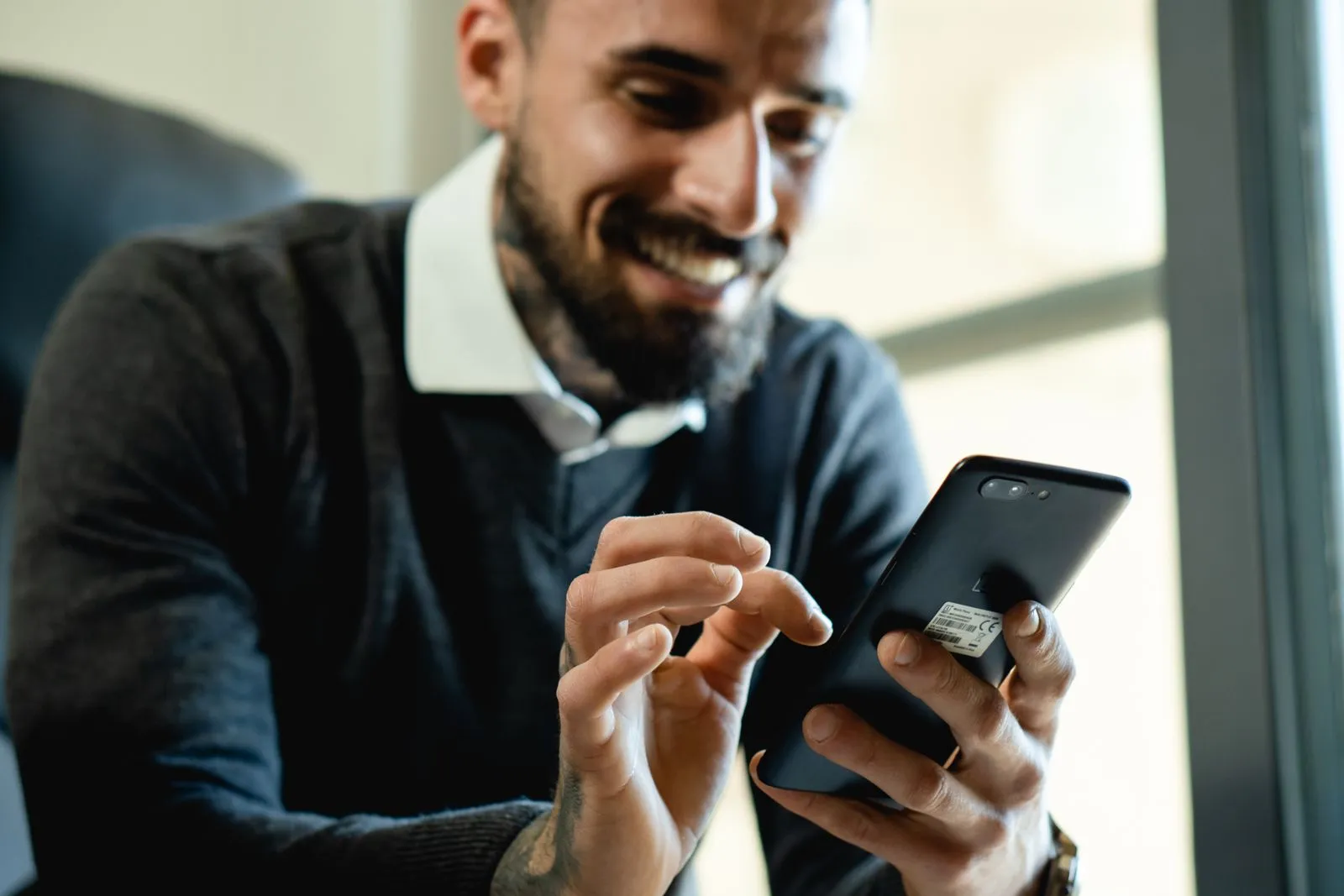
Namaste, digital darlings. Let’s be honest: most of us have a complicated relationship with passwords. We forget them, reuse them, write them on sticky notes and reset them so often the reset email feels like an old friend. Passkeys offer a different way to sign in: no typing, nothing to remember and much harder for scammers to steal. Here’s how they work and how to start using them without stress.
What Is a Passkey?
A passkey is a digital key that lives on your device, such as your phone, tablet or computer. Instead of typing a password, you confirm it’s you the same way you unlock your phone: with your fingerprint, your face or your device PIN.
Behind the scenes, a passkey uses a pair of matching keys. One stays safely on your device and never leaves it. The other is stored by the website or app. When you sign in, they check each other, like two halves of a secret handshake. Your fingerprint or face never gets sent to the website; it only unlocks the key on your own device.
Why They’re Safer
- Nothing to phish. A passkey only works on the real website it was created for. A fake login page can’t trick it.
- Nothing to leak. If a company’s database is breached, there’s no password there for criminals to reuse.
- Nothing to guess. Every passkey is unique and strong by design.
- Nothing to remember. Your brain gets a holiday.
Where You Can Use Them
More and more services support passkeys, including many big email, shopping, social and banking-related apps. Look in your account’s security settings for words like “passkey”, “sign in with your device” or “passwordless”.
How to Set One Up
The steps vary a little by service, but usually look like this:
- Sign in to your account the usual way.
- Go to security or sign-in settings and choose to create a passkey.
- Confirm with your fingerprint, face or device PIN when your phone or computer asks.
- Done. Next time, choose “sign in with a passkey” and simply unlock.
Your device’s password manager usually stores the passkey and can sync it across your other devices signed in to the same account. That way, your new phone or laptop can use it too.
Signing In on a Different Device
Using a friend’s computer or a new laptop? Many sites let you scan a QR code with your phone and approve the sign-in using the passkey on your phone. The two devices check they’re close to each other, so it can’t be done remotely by a stranger.
Lost Your Phone? No Panic
Good question, darling, and a calm plan makes all the difference:
- Synced passkeys are backed up to your account and come back when you sign in on a new device.
- Keep a recovery method on each important account, such as a backup email or phone number, and store any recovery codes somewhere safe.
- Protect the account that holds your passkeys with strong security, because it’s now your master key.
- Lock your device with a PIN or biometrics. A passkey is only as safe as the device it lives on.
A Gentle Transition
You don’t have to switch everything overnight. Start with the accounts that matter most, like email and your main password manager account. Keep using a password manager for everything else, and add passkeys as your favourite apps offer them. Many accounts will let you keep a password as a back-up for a while, which is fine.
A Few Quick Tips
- Only create passkeys on devices you own and trust.
- Give your devices regular updates so their security stays strong.
- Be wary of anyone asking you to approve a sign-in you didn’t start. Just say no.
- Review your saved passkeys now and then and remove ones for old devices.
Dev’s Final Byte
Passkeys swap fragile passwords for a simple touch or glance, and they’re far tougher for scammers to crack. Set them up on your most important accounts, keep your recovery options tidy and enjoy the peace of mind. It’s not a bug, it’s a feature… a beautifully secure one. Namaste.
Comments
Also give your opinion.

 The Captain Look






Leave a comment