

















Ice or Heat? The Calm Guide to Soothing Everyday Aches
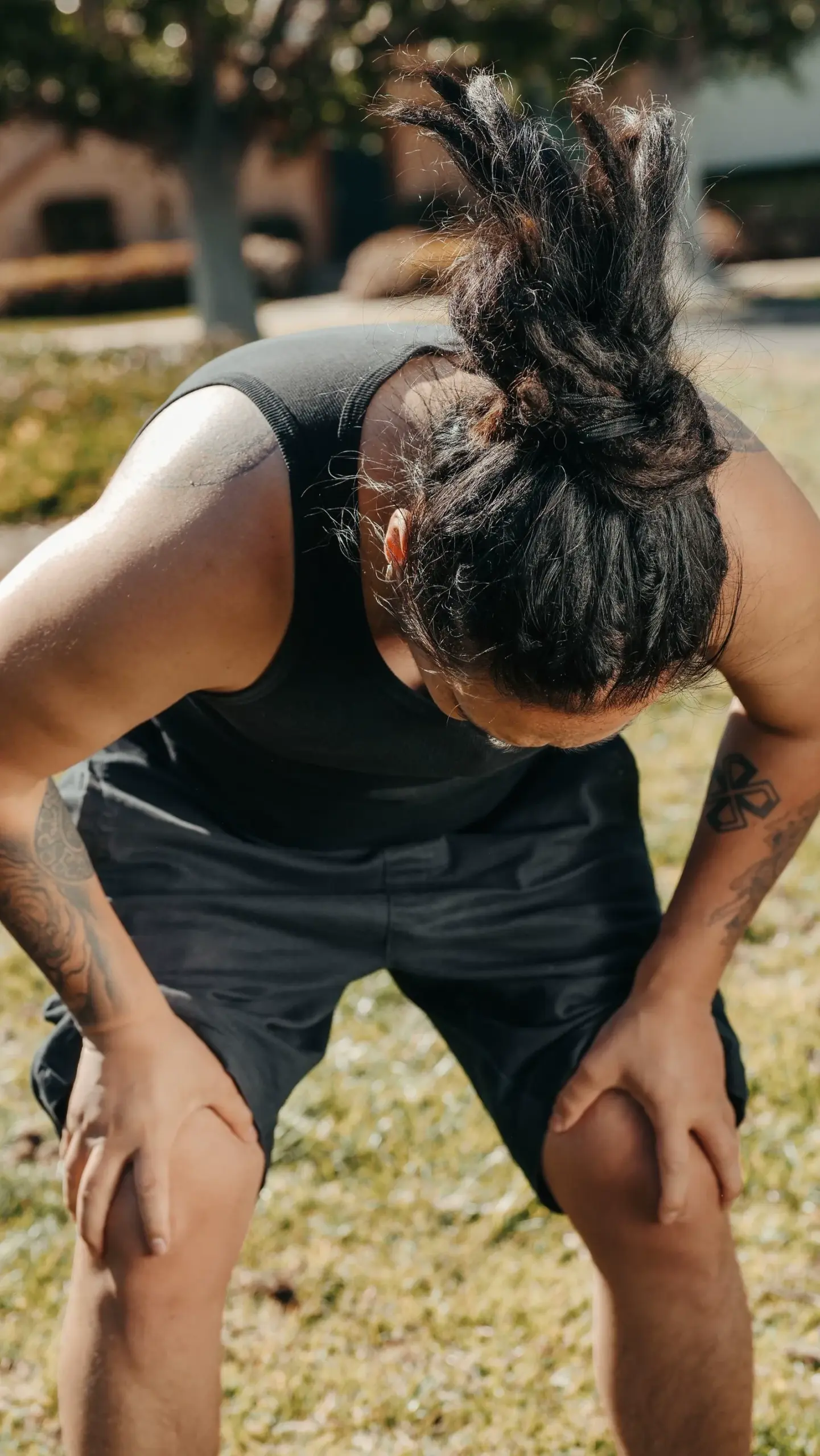
You twisted your ankle stepping off the boat. Your shoulders are tight after a long drive. Your knee is grumbling after an enthusiastic beach volleyball match. Someone says “put ice on it”, someone else says “a hot water bottle will fix it”, and you are left standing there with a bag of frozen peas wondering who to believe. Zero drama: here is the simple way to choose.
The Short Version
- Ice is for new, sudden injuries where there is swelling, heat or a fresh bump. Think the first day or two after a twist, knock or strain.
- Heat is for stiffness and tension that has built up over time. Think tight shoulders, a stiff back in the morning or muscles that feel knotted.
Cold calms things down. Warmth loosens things up.
Why Cold Helps a Fresh Knock
When you bump or twist something, the area can swell and feel hot. Cold narrows the small blood vessels near the surface for a while, which can ease swelling and numb pain. That is why a cold pack feels so good on a freshly rolled ankle.
How to ice kindly:
- Wrap the ice pack, frozen peas or ice cubes in a thin towel. Never put ice straight on bare skin.
- Hold it on for about 15 to 20 minutes.
- Take it off and let the skin return to normal temperature before another round.
- Repeat a few times a day in the first day or two, if it helps.
- Rest the area and raise it on a cushion if you can.
Why Warmth Helps Stiff Muscles
Gentle warmth opens up blood flow and helps tight muscles relax. It is lovely for the slow, achy kind of discomfort: a stiff neck after sleeping awkwardly, tight lower back after a day of sitting, or muscles that feel like knotted rope.
How to use heat kindly:
- Use a warm (not scalding) hot water bottle wrapped in a cover, a microwavable heat pack, a warm bath or a warm shower aimed at the tight spot.
- About 15 to 20 minutes is plenty.
- Check your skin. It should feel pleasantly warm, never burning.
- Follow it with some gentle movement or stretching while the muscles are relaxed.
When Not to Use Heat
Skip heat on a fresh injury that is swollen, red or hot: warmth can make swelling worse in the early stage. Also avoid heat on broken or irritated skin, and on an area where you have reduced feeling.
When Not to Use Ice
Go easy on ice if you have poor circulation, if your skin is very sensitive to cold, or on areas with reduced feeling. And never fall asleep with an ice pack or a heating pad on you. Set a timer.
Can You Use Both?
Some people like to start with cold for a fresh injury, then switch to gentle warmth after a few days, when the swelling has settled and stiffness takes over. Listen to your body: whichever one feels soothing, not uncomfortable, is usually the right one for that moment.
When to Get It Checked
Ice and heat are for everyday knocks and tightness. See a doctor, physio or urgent care if:
- You cannot put weight on a joint or move it normally.
- There is a lot of swelling or bruising, or the shape looks wrong.
- The pain is severe or getting worse after a few days.
- You notice numbness, tingling or weakness.
- You have pain after a fall or a hard hit to the head, neck or back.
Little Habits That Help
Warm up before sport, stretch gently after, drink water and rest well between hard sessions. Keep a reusable cold pack in the freezer and a hot water bottle in the cupboard: two simple tools that make you ready for most of life’s little aches.
Cold for the fresh and fiery, warmth for the stiff and tight. Unbothered. Peace.
Comments
Also give your opinion.

 The Captain Look






Leave a comment