

















Long Holds, Soft Mind: A Beginner’s Guide to Yin Yoga
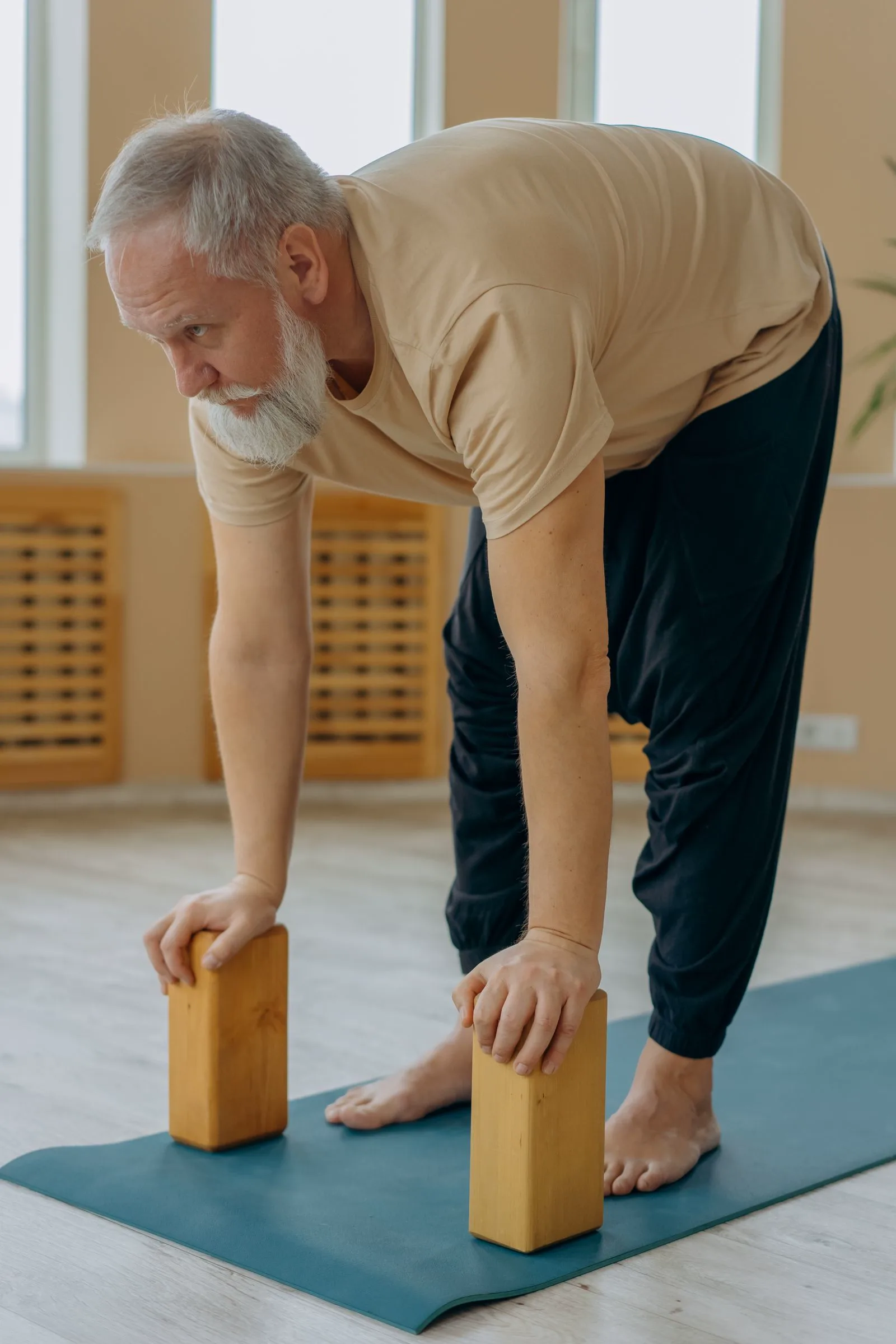
Kai here. Zero drama, zero judgment. If most workouts are about doing more, yin yoga is about doing less, beautifully. You settle into gentle floor poses and stay there for several minutes, letting gravity, breath and time do the work. It’s quiet, slow and deeply relaxing. For busy minds and tight hips, it can feel like a long exhale. Let’s explore.
What Is Yin Yoga?
Yin yoga is a slow style where you hold mostly seated or lying poses for around two to five minutes, sometimes longer. Muscles are encouraged to relax rather than engage. It’s often described as working the deeper connective tissues around joints, like the hips, spine and shoulders, although scientists are still studying exactly what happens in the body.
What we can say: many people find yin yoga helps them feel more flexible, calmer and more aware of their bodies.
Yin vs yang styles: – Yang yoga (like vinyasa or power yoga) is active, warming and flowing. – Yin yoga is still, cooling and passive.
Both are lovely. They complement each other, and yin pairs beautifully with strength training and running.
The Three Principles
- Find your edge. Move into a pose until you feel a gentle stretch, not pain. About 50 to 70 percent of your maximum.
- Be still. Once settled, try to stay without fidgeting, adjusting only if needed.
- Hold with patience. Stay for a few minutes, breathing slowly. Come out gently.
Props Are Your Friends
Props make poses comfortable so you can relax completely:
- Bolster or firm cushions under the hips, chest or knees.
- Blocks or a stack of books to support your hands or head.
- A blanket for padding and warmth.
- A strap or a belt for reaching your feet.
A Gentle 20-Minute Practice
Hold each pose for about 3 minutes, breathing slowly through your nose.
- Butterfly. Sit with the soles of your feet together and knees falling open. Fold forward gently, resting your hands on blocks or your feet. Opens hips and lower back.
- Dragon (low lunge). Step one foot forward, back knee down on a blanket, hands on blocks. Let your hips sink. Do both sides. Releases hip flexors, lovely after sitting.
- Sphinx. Lie on your belly and prop yourself on your forearms. A gentle back bend for the spine.
- Child’s pose. Knees wide, big toes together, fold forward with a cushion under your chest. Pure comfort.
- Supine twist. Lie on your back, drop both knees to one side, arms open. Switch sides.
- Legs up the wall. Lie with your legs resting up a wall for a few minutes. A dreamy finish.
End with a few minutes lying flat in stillness.
Tips for Your Practice
- Practise on a quiet evening or after a workout, when muscles are warm.
- Use a timer with a soft sound so you’re not clock-watching.
- Come out slowly. After long holds, joints can feel stiff for a moment. Move gently.
- Pair with music or silence, whatever helps you relax.
Who Should Be Careful
Yin yoga is gentle, but long holds still put load on joints. If you have joint problems, are hypermobile, are recovering from injury or have any health concerns, check with your doctor or a qualified teacher and use plenty of props. Never push into pain or numbness.
The Real Gift
Yin yoga teaches patience. Sitting with mild discomfort, breathing through it and letting go is a lesson that travels far beyond the mat.
Breathe slow, hold soft, let go. Unbothered. Peace.
Comments
Also give your opinion.

 The Captain Look






Leave a comment