

















Electrolytes Explained: When Water Alone Isn’t Quite Enough
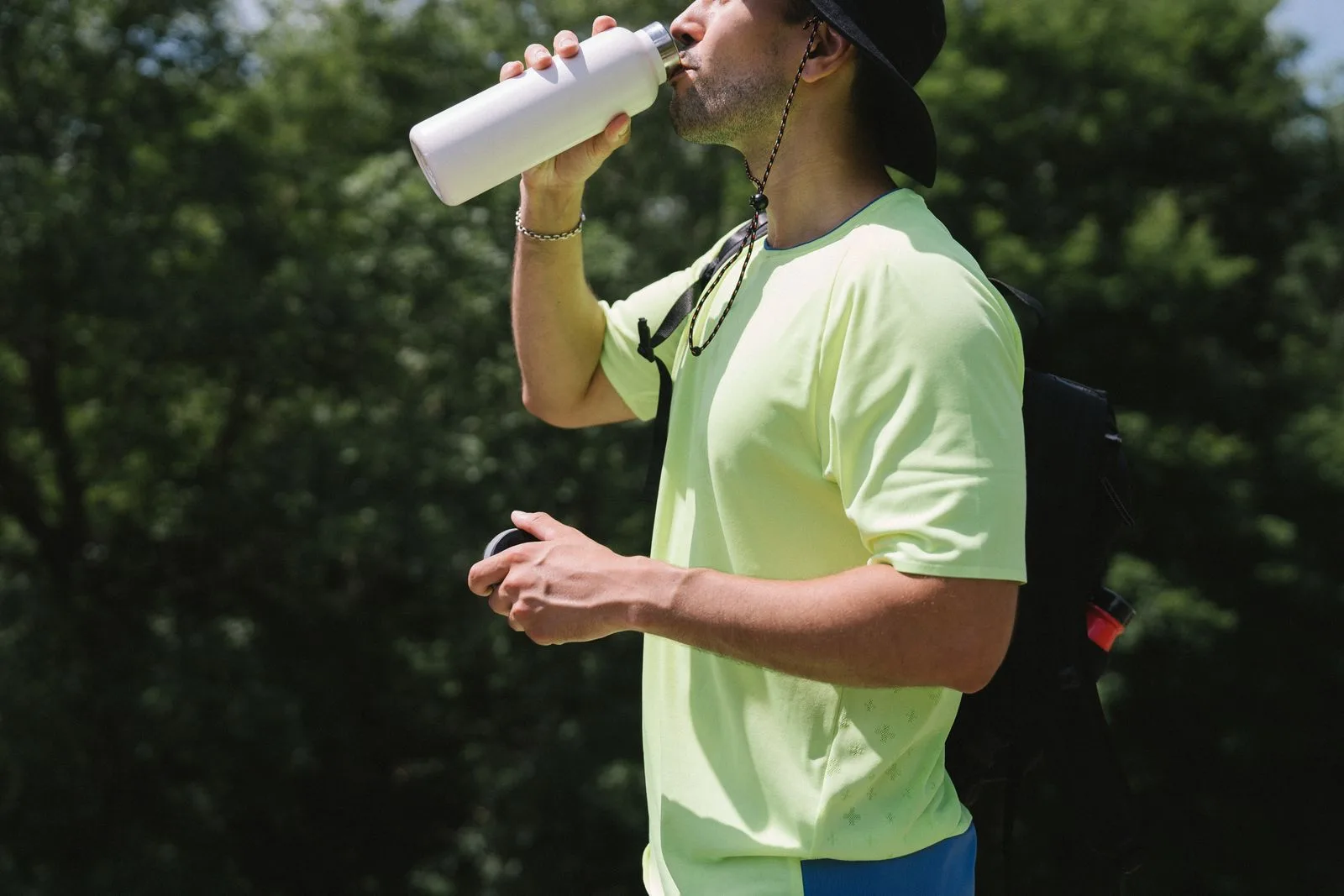
Babe, you’ve probably seen the colourful sports drinks, fizzy tablets and powder sachets promising to “replenish electrolytes”. But what are electrolytes, do you actually need extra, and when is plain water perfectly fine? Let’s clear it up, calmly and without the marketing glitter. Zero drama. Zero judgment.
What Are Electrolytes?
Electrolytes are minerals that carry a tiny electrical charge when they’re dissolved in your body’s fluids. The main ones are sodium, potassium, chloride, magnesium and calcium. They help:
- Balance the fluid inside and outside your cells
- Send nerve signals
- Make your muscles contract, including your heart
- Keep your body’s pH steady
You get them mostly from food and drink, and your kidneys do a brilliant job of keeping the levels in balance.
How You Lose Them
- Sweat: mostly water and sodium, plus smaller amounts of potassium and other minerals. Some people are “salty sweaters” and notice white marks on their clothes or hat.
- Long, intense exercise, especially in heat and humidity.
- Tummy bugs with vomiting or diarrhoea.
- Hot days spent outdoors, like a long hike, a beach day or dancing for hours at a festival.
When Plain Water Is All You Need
For everyday life, a normal workout under about an hour, a walk or a regular day at the office, water plus your usual meals covers you. A balanced diet gives you plenty of electrolytes, and most of us already eat more than enough salt. No need for a sports drink with your gym session or your desk lunch.
When Extra Electrolytes Can Help
- Long or very sweaty exercise: endurance runs, long cycles, a full day’s hike, especially in the heat.
- Hot, sticky days when you’re active outdoors for hours.
- Recovering from a stomach bug, when oral rehydration solutions from the pharmacy are designed to help replace what you’ve lost.
- Long days of dancing in a hot club or at a festival, where you’re sweating for hours.
In these cases, an electrolyte drink, tablet or a salty snack alongside water can help you feel better and recover more comfortably.
Food Is a Great Source
You don’t always need a product. Lots of everyday foods are rich in electrolytes:
- Potassium: bananas, potatoes, beans, lentils, spinach, avocados, oranges, yogurt.
- Sodium: salted nuts, crackers, olives, soups and broths (in sensible amounts).
- Magnesium: nuts, seeds, whole grains, leafy greens, dark chocolate.
- Calcium: dairy, fortified plant milks, tofu, leafy greens.
Coconut water and milk are also popular natural options after a sweaty session.
Don’t Overdo the Water Either
Drinking huge amounts of plain water very quickly during long endurance events, without replacing salt, can in rare cases dilute the sodium in your blood. That’s another reason to drink to thirst, sip steadily, and include some electrolytes on very long, sweaty days.
Choosing an Electrolyte Product
- Check the label for sugar: some sports drinks are basically soft drinks. Fine for long, hard training, unnecessary for a lazy afternoon.
- Look at the sodium content, which is the main thing you lose in sweat.
- Avoid doubling up on several products at once.
- Taste matters: if you’ll actually drink it, that’s half the battle.
Talk to a Professional If
You have a heart or kidney condition, high blood pressure, take medication that affects fluid or salt levels, or you often feel dizzy, cramp a lot or feel unwell when exercising. A doctor or dietitian can give advice that’s right for you.
Sip, snack smart and listen to your body. Unbothered. Peace.
Comments
Also give your opinion.

 The Captain Look






Leave a comment