

















Nordic Walking: The Full-Body Workout Disguised as a Stroll, Babe
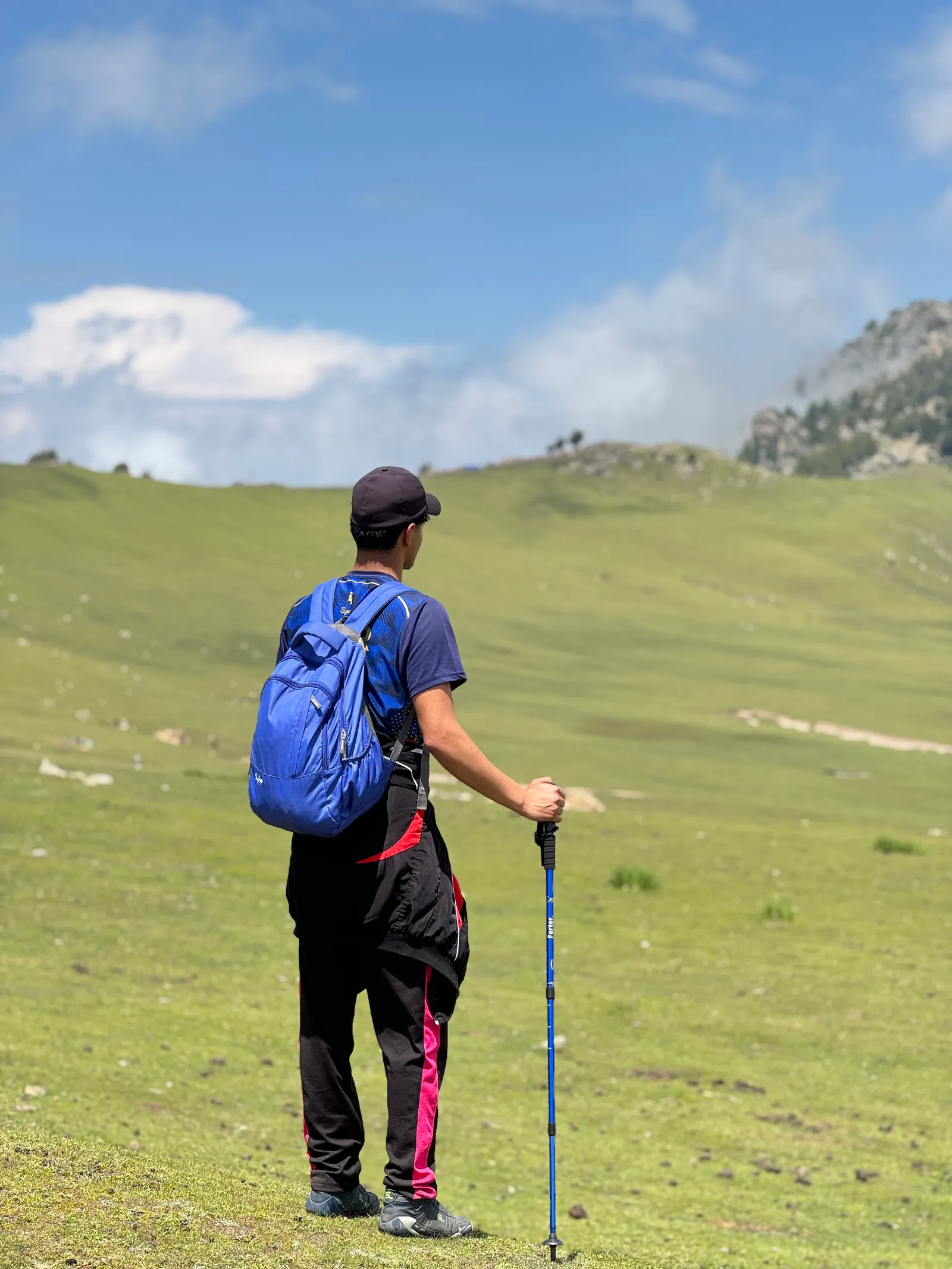
Babe, you’ve probably seen them: people striding through the park with two poles, arms swinging, looking oddly purposeful. Maybe you giggled. Maybe you thought they’d lost their skis. Well, the joke’s on us, because Nordic walking is a brilliant full-body workout disguised as a stroll, and it’s joint-friendly, sociable and surprisingly sweaty.
Let’s grab some poles and get moving.
What Is Nordic Walking?
It’s walking with specially designed poles that you actively push against the ground behind you. Instead of just your legs doing the work, your arms, shoulders, back and core join the party.
- More muscles working than regular walking, especially in the upper body.
- Higher heart rate at the same pace, so more cardio benefit.
- Support and stability, which many people find helpful on uneven ground.
- Gentle on joints compared with running.
Choosing Your Poles
Nordic walking poles are different from hiking or trekking poles.
- Glove-style straps: they hold your hand so you can release the grip on the backswing.
- Rubber “paw” tips for pavements and paths; remove them to reveal a metal tip for grass, gravel and trails.
- Length: a common guide is around 0.68 times your height in centimetres, which puts your elbow at roughly a right angle when the pole tip is on the ground. Adjustable poles make this easy.
- Lightweight materials like aluminium or carbon fibre are comfortable for long walks.
The Basic Technique
It feels awkward for the first ten minutes, then suddenly clicks.
- Walk normally first, letting your arms swing naturally, with the poles dragging behind you.
- Opposite arm, opposite leg: right arm forward with the left foot, just like normal walking.
- Plant the pole at an angle, roughly level with your back foot, tip pointing behind you.
- Push back through the strap, extending your arm past your hip.
- Open your hand at the end of the push and let the strap carry the pole forward.
- Stand tall, shoulders relaxed, eyes ahead, slightly longer stride than usual.
Common Mistakes
- Planting the poles in front of you like walking sticks. They should push you forward from behind.
- Gripping too tight. Relax your hands and let the straps work.
- Hunching. Keep your chest open and your posture proud.
- Tiny arm movements. Let the arms swing long and free.
A Beginner’s Plan
- Weeks 1 to 2: 20 to 30 minutes, two or three times a week, focusing on rhythm.
- Weeks 3 to 4: 30 to 45 minutes, adding gentle hills.
- After that: longer routes, faster pace or short intervals where you push harder for a minute, then recover.
Make It Social
Nordic walking groups are everywhere, often friendly, welcoming and full of great conversation. It’s a lovely way to meet people outdoors. Some instructors run taster sessions, which are a great way to learn the technique properly.
A Quick Note
If you have shoulder, back or joint problems, check with a physio or doctor before you start, and consider a lesson with a qualified instructor.
Grab those poles, find a scenic path and stride like you’re on a catwalk with a view. Gotta order more protein!
Comments
Also give your opinion.

 The Captain Look


Leave a comment