

















No Signal, No Problem: Satellite Messaging for Remote Hikes and Boat Days
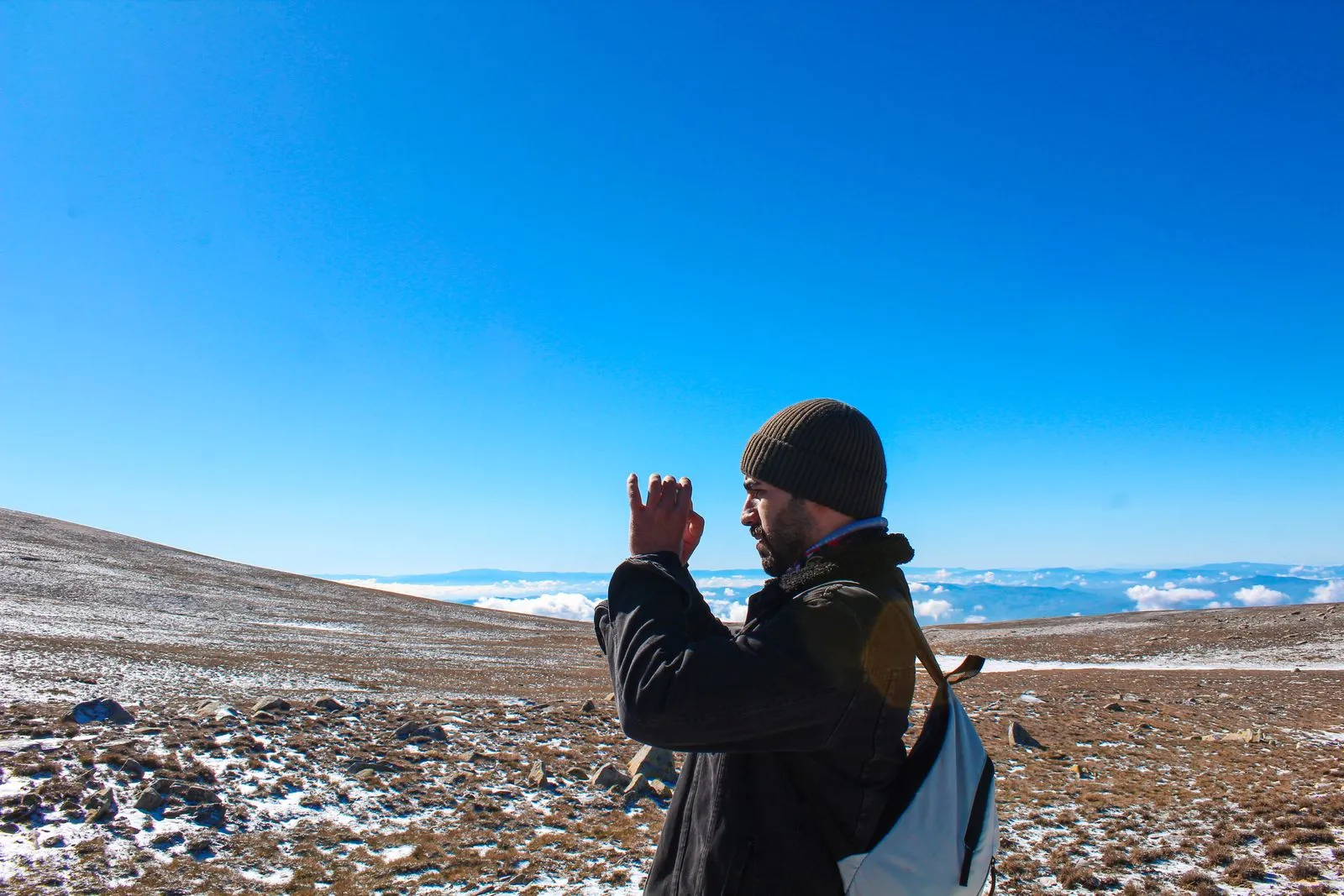
Namaste, it's Dev Kamal, your Sailor Geek. Mountains, islands, open water: the most beautiful places on earth often have exactly zero bars of phone signal. That is part of their magic, until you need to tell someone you are running late, or you need help. Satellite messaging fills that gap, and it is easier to use than you might think. It's not a bug, it's a feature.
How Satellite Messaging Works
Instead of talking to a phone mast, your device sends a short message straight up to satellites orbiting the earth, which pass it back down to a ground station and on to your contacts or emergency services. It is slower than a normal text and works best with a clear view of the sky, but it can reach almost anywhere outdoors.
Your Options
- Phones with built-in satellite features: some newer smartphones can send emergency messages, share your location or even send short texts by satellite where there is no signal. Check your phone's settings and your region, because availability differs.
- Dedicated satellite messengers: small, rugged gadgets that clip to a backpack. They usually offer two-way texting, location tracking and an SOS button, and typically need a subscription plan.
- Personal locator beacons (PLBs): emergency-only devices that send your position to rescue services at the press of a button. No messaging, but no subscription in many countries either.
- Marine options: for sailing, emergency beacons designed for boats and lifejackets exist too. Ask a local sailing school or chandlery what is recommended where you sail.
Before You Head Out
- Test it at home. Send a test message from your garden or balcony so you know the steps.
- Set up your contacts and preset messages, like "All good, on schedule" and "Running late, all fine".
- Charge it fully and carry a power bank.
- Know where the SOS button is and what it does. It should never be pressed by accident, so learn how it is protected.
- Leave a plan with someone: where you are going, your route and when you expect to be back.
Using It in the Wild
- Clear view of the sky: step out from under trees, cliffs or a boat's cabin roof.
- Be patient: messages can take a few minutes.
- Keep it short: satellite texts are best brief and clear.
- Emergency only means emergency: SOS alerts real rescue teams. For non-urgent delays, send a normal message.
Still Pack the Basics
Gadgets are brilliant helpers, not a replacement for good planning. Check the weather forecast, bring water, a map, sun protection and a charged phone, and turn back if conditions do not feel right.
Go explore those wild, beautiful no-signal places with peace of mind. Your loved ones will thank you. Namaste!
Comments
Also give your opinion.

 The Captain Look






Leave a comment