

















Achy Shins? How to Ease Into Running and Long Walks Without the Ouch
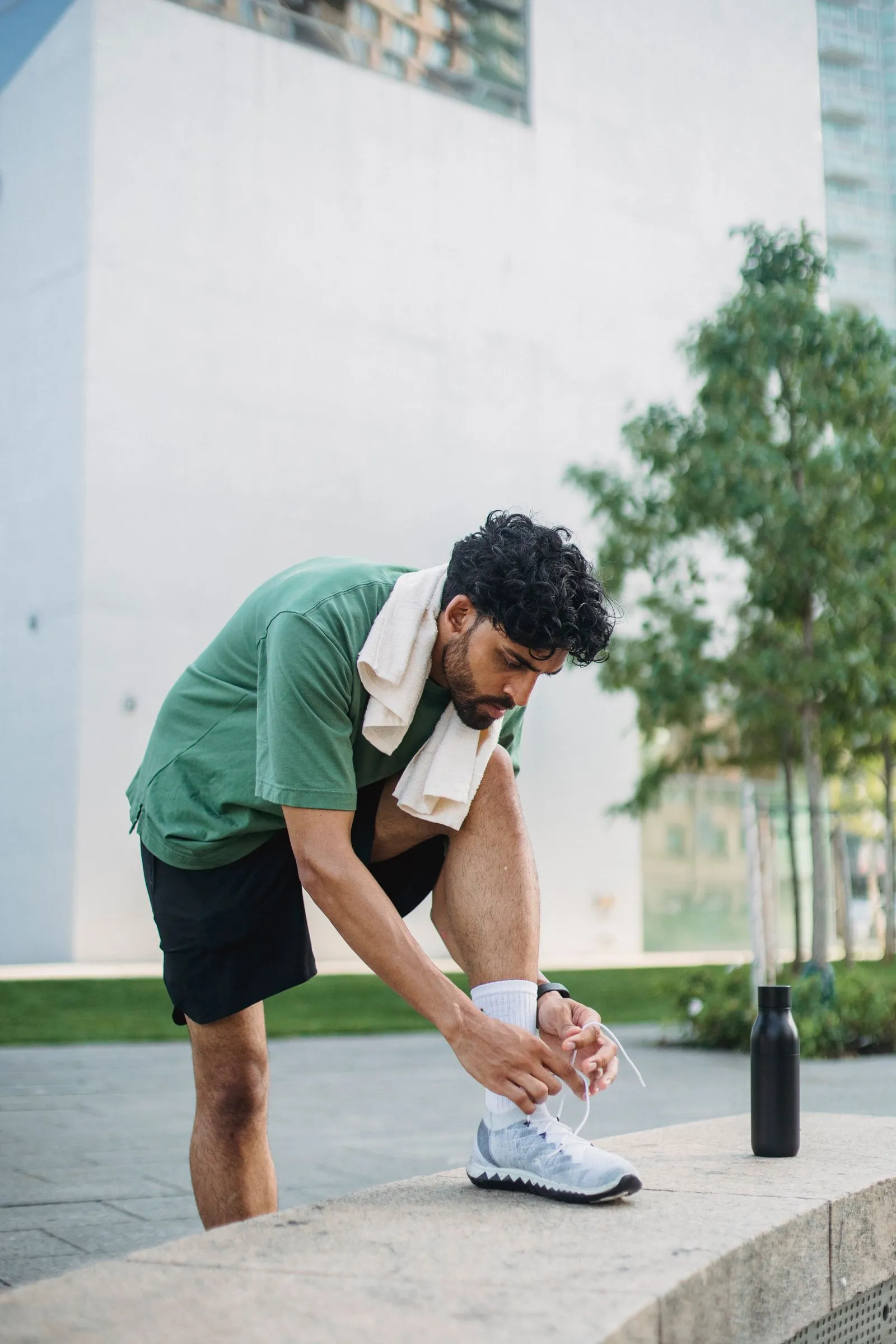
You’ve started running, or walking much more, and you’re loving it. Then the front of your lower legs begins to ache, especially at the start of a session. Achy shins are one of the most common complaints for anyone who ramps up their activity, and the good news is that a few calm changes usually help a lot. Zero drama, zero judgment.
Why Shins Complain
The muscles, tendons and bone tissue along your shin need time to adapt to repeated impact. When you increase distance, speed or frequency faster than they can keep up, they get irritated. That’s often called shin splints. Common triggers:
- Doing too much too soon, like going from no running to running every day.
- Lots of running on hard surfaces, or suddenly switching to hills.
- Worn-out or unsupportive shoes.
- Tight calves and weak muscles around the ankle and hip.
Ease In, Gently
The most useful habit is simple: build up slowly.
- Increase gradually. Add a little distance or time each week rather than doubling it.
- Mix in rest days. Bones and tendons adapt on your days off.
- Try run-walk intervals. Alternating a few minutes of running with a minute or two of walking reduces the load while you build up.
- Vary your surfaces. Smooth trails, grass, sand at the edge of the water and running tracks are kinder than endless concrete.
Shoes Matter
- Replace tired shoes. Running shoes lose their cushioning over time. If the midsole looks squashed and creased or the tread is worn smooth, it’s time.
- Get the right fit. A specialist running shop can watch you walk or jog and suggest a suitable shoe.
- Break new shoes in with shorter sessions.
Strengthen and Stretch
Strong lower legs absorb impact better. A few minutes, a few times a week:
- Calf raises: rise onto your toes and lower slowly. Try them on a step for more range.
- Toe raises: stand with your back to a wall and lift your toes towards your shins, then lower.
- Heel walks: walk on your heels for 20 to 30 seconds with toes lifted.
- Calf stretch: hands on a wall, one leg back with the heel down, hold for about 30 seconds each side.
- Hip and glute work: glute bridges and side-lying leg raises help keep your knees and legs moving well.
When It Already Aches
- Back off, don’t push through. Reduce your distance or swap a run for cycling or swimming for a while, which keep you fit without the pounding.
- Cool it down. A cold pack wrapped in a cloth for 15 minutes or so can feel soothing after activity.
- Return gradually once you can walk and hop gently without pain.
When to See a Professional
Talk to a doctor or physiotherapist if the pain is sharp and in one specific spot, hurts even when you’re resting or at night, causes swelling, or doesn’t settle after a couple of weeks of easing off. Persistent, pinpoint pain needs a proper check, not more willpower.
The Long Game
Your heart and lungs get fitter quickly. Your bones and tendons take a little longer to catch up. Respect that difference, build up patiently and your legs will carry you happily for years. Unbothered. Peace.
Comments
Also give your opinion.

 The Captain Look






Leave a comment