

















Small Lens, Big View: How to Choose and Use Clip-On Phone Lenses
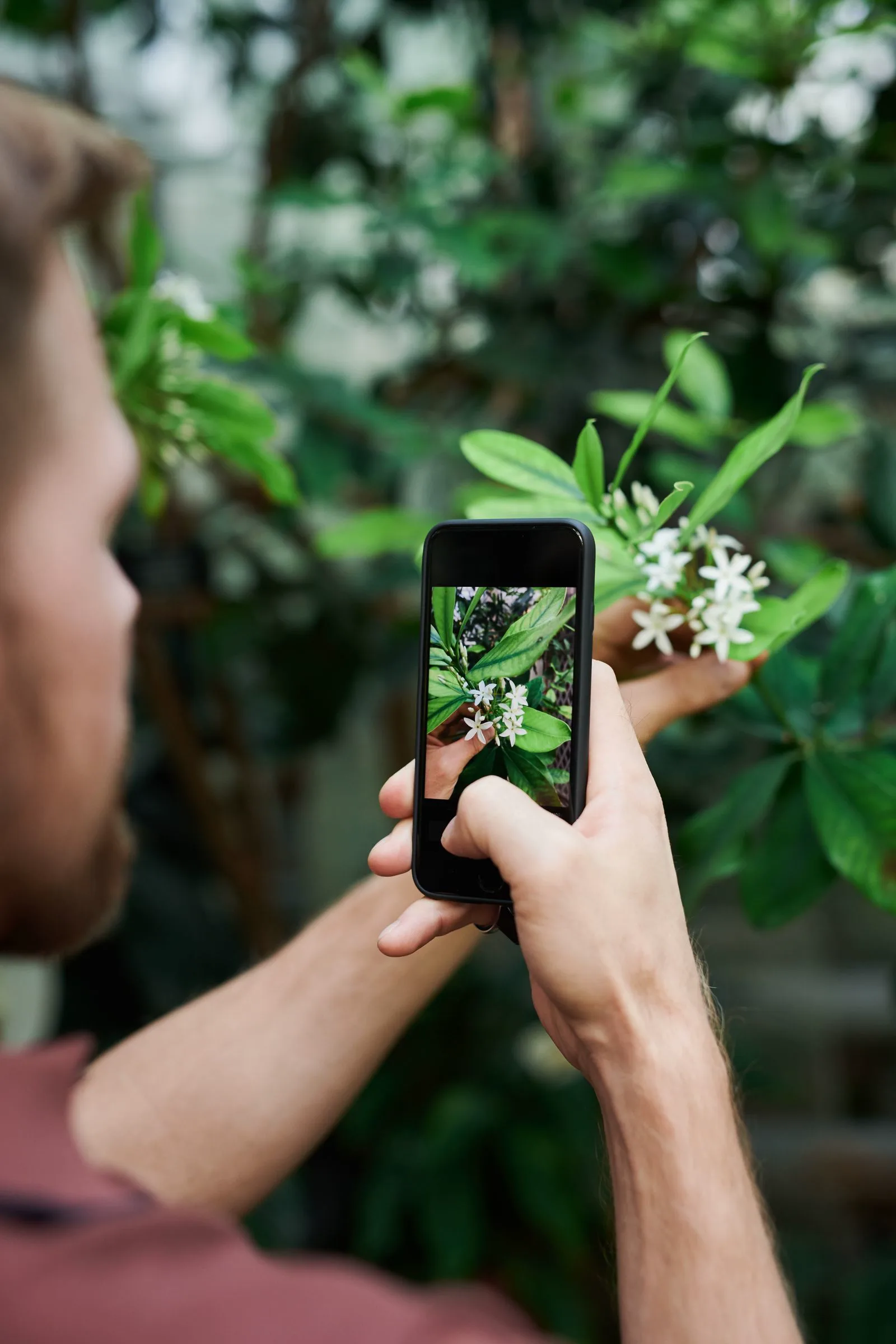
Your phone camera is brilliant, but sometimes you want a tiny bee on a hibiscus filling the whole frame, or a whole harbour squeezed into one shot from a narrow street. That is where clip-on lenses come in: little pieces of glass that snap over your phone camera and give it new superpowers. Dev here, and today we decode which ones are worth packing and how to use them without blurry corners.
How Clip-On Lenses Work
A clip-on lens sits in front of one of your phone’s built-in cameras and bends the light before it reaches the sensor. A clip, a magnetic ring or a special phone case holds it in place. The phone does not know it is there: you shoot with your normal camera app, and the extra glass does the magic. It’s not a bug, it’s a feature.
The Four Lens Types, Decoded
- Macro: lets you focus very close, so flowers, textures, sand grains and the weave of your linen shirt look huge and detailed. The most fun lens of the bunch, and often the most useful.
- Wide-angle: fits more of the scene in. Handy for small hotel rooms, group shots and tight old-town streets, especially on phones that only have one rear camera.
- Fisheye: a very wide, curved view with a round, playful look. Great for skate parks, pool parties and silly selfies. Use it for fun, not for every photo.
- Telephoto: brings distant things closer, like a boat on the horizon or a performer on stage. Clip-on telephotos are the hardest to get sharp, so choose carefully.
Do You Even Need One?
Check your phone first. Many recent models already have an ultra-wide camera, and some can focus very close with a built-in macro mode. If yours does, a clip-on wide-angle adds little. A good macro lens, though, still gets you closer than most built-in modes, and a fisheye gives a look your phone simply cannot make. On a single-camera phone, a small kit can feel like a brand-new camera.
What to Look For When Choosing
- Glass, not plastic. Multi-coated glass elements give sharper, brighter photos with less flare.
- A secure mount. Clips are universal but can slip. Case-based or magnetic systems line up perfectly every time.
- Fit for your camera bump. Phones with big camera islands need a clip that reaches the right lens and does not block the others awkwardly.
- Lens caps and a pouch. Small lenses scratch easily in a beach bag.
How to Get Sharp Shots
- Pick the right camera in the app. On multi-camera phones, the clip-on must sit over the lens the app is actually using. Stay on the standard 1x camera, as the phone may switch lenses on its own when you zoom.
- Centre it perfectly. If the corners look dark or blurry, the lens is slightly off. Nudge it until the image is clean edge to edge.
- Clean both surfaces. Wipe the phone lens and the clip-on lens with a microfibre cloth. One fingerprint ruins everything.
- For macro, move, do not zoom. Macro lenses have a tiny focus distance, often just a couple of centimetres. Slowly move the phone closer or further until the subject snaps into focus, then tap to lock it.
- Light it up. Your phone shades close subjects, so shoot macro in bright daylight and angle yourself so you do not cast a shadow.
Fun Ideas for Your Next Day Out
- Macro shots of seashells, tropical flowers and the bubbles in your cocktail.
- A fisheye group shot on the deck of a boat, everyone leaning in.
- A wide-angle view of a whitewashed alley with the blue sky above.
A tiny lens in your pocket can change the way you see the world, quite literally. Snap it on, get close, play a little. Namaste, photographers.
Comments
Also give your opinion.

 The Captain Look






Leave a comment